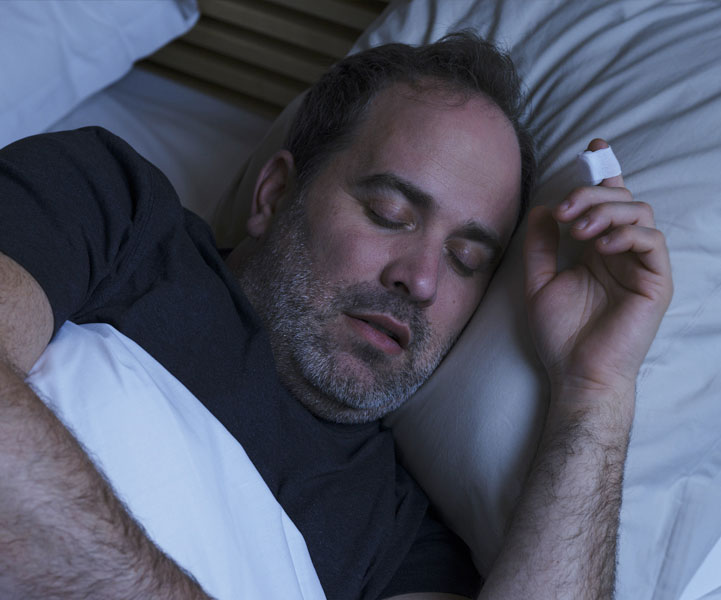
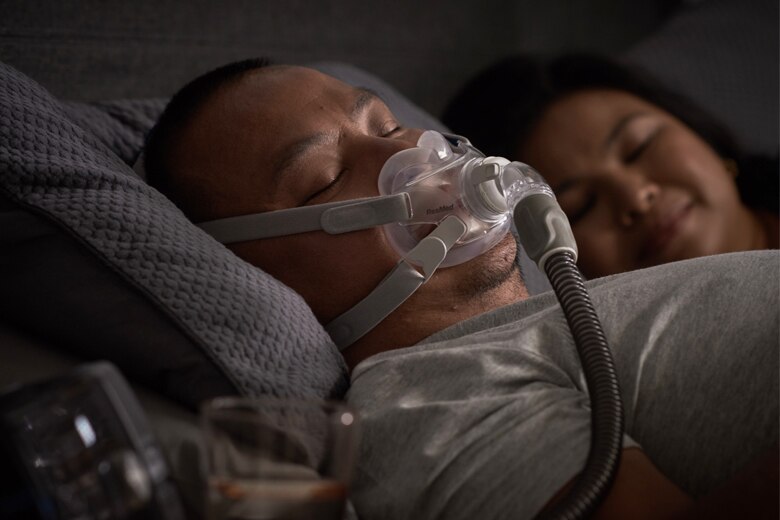
Sleep apnea is a condition where breathing stops and restarts many times throughout the night. These interruptions can make it harder for your body to get enough oxygen.1 Sleep apnea is a serious medical condition that can impact your health and well-being. It’s important to know the signs of sleep apnea, if you’re at risk and how to get diagnosed and treated.
Sleep apnea definition and meaning
Sleep apnea can lead to pauses in breathing that may last from 10 seconds to over a minute. These pauses can starve your organs from getting oxygen.
But what does that actually look like over the course of a night? For someone with moderate sleep apnea, breathing can stop up to 29 times an hour. Over eight hours, that could mean your breathing pauses as many as 232 times.2 As a result, if you suffer from sleep apnea, this lack of sleep often leaves you feeling exhausted, with low energy and craving caffeine during the day.
Types of sleep apnea
Even though sleep apnea is a blanket term, there are actually a few distinct types of sleep apnea:
- Obstructive sleep apnea (OSA)
- Central sleep apnea (CSA)
- Complex sleep apnea (TESCA)
You and your doctor will work together to understand the best treatment options for you based on your sleep concerns and sleep apnea type.
Obstructive sleep apnea (OSA)
Obstructive sleep apnea (OSA) is a condition where your upper airway becomes blocked repeatedly during sleep, making it harder for air to flow. These blockages can reduce or completely stop the flow of air, causing your breathing to pause throughout the night.1
Central sleep apnea (CSA)3
A less common type of sleep apnea, central sleep apnea (CSA), occurs when the brain fails to send a signal to the muscles that control your breathing, resulting in pauses in breathing during sleep.
Complex sleep apnea3
Sometimes referred to as treatment-emergent central sleep apnea (TECSA), it is a form of central sleep apnea that emerges during the early stages of treatment for obstructive sleep apnea. In most cases, TECSA resolves on its own without the need for further intervention.
Symptoms of sleep apnea4
Everyone has a bad night’s sleep now and then. But, as a chronic condition, sleep apnea makes the effects of regularly disrupted sleep even more intense. From work to relationships to your overall motivation, untreated sleep apnea can take a toll on many aspects of your life.
Snoring
Snoring is one of the most common symptoms of sleep apnea. It occurs when your neck muscles relax and your throat partly closes and becomes narrow, causing the vibration sound known as snoring.
Waking up gasping for air
When your breathing is restricted, your brain sends a signal to wake up to breathe. This can cause a sudden and startling gasp for air.
Difficulty concentrating during the day
A lack of restful sleep interrupts your body’s natural circadian rhythm and can impair cognitive function. Daily activities that require attention, critical thinking or memory can be impacted by sleep apnea.
Consistent daytime tiredness
Sleep apnea can make you feel like you’re sleepwalking through life. Sleep is a time for our bodies to rest and repair, and missing key stages of the sleep cycle can leave you feeling drained.
Morning headaches
Periods of disrupted breathing can cause your blood oxygen levels to drop during sleep, resulting in morning headaches. While the headaches may not last for long, they may be an indicator of sleep apnea.
Difficulty staying asleep
Sleep apnea and insomnia can be a vicious cycle. You may wake up from apneas and worry about not sleeping, then struggle to sleep because you’re worried.
Waking up with a dry mouth
When your airway is blocked, it can lead to snoring or breathing with your mouth open, both of which can cause you to wake up with a dry mouth.
Irritability and mood swings
A lack of quality sleep can leave you feeling tired and irritable. This can make even the simplest tasks a struggle, which can impact your mood. There’s also a strong link between sleep apnea and mood disorders. In fact, 35% of people living with sleep apnea have symptoms of depression.5
Sleep apnea causes
Each type of sleep apnea comes with its own causes. Understanding the cause behind your sleep apnea can help you address some symptoms and get the most effective treatment for your condition. While some causes are unavoidable or genetic, you may be able to make lifestyle changes that reduce your risk.
Obstructive sleep apnea causes
Causes may include alcohol use, smoking, narcotic drug use and excess weight. Other causes can include age, gender, allergies, a narrow airway, enlarged tonsils or adenoids, a receding chin or a deviated septum.
Central sleep apnea causes
Causes can include high altitude, narcotic drug use or underlying medical conditions, such as heart failure or stroke.
Complex sleep apnea causes
While complex sleep apnea, otherwise known as treatment-emergent sleep apnea is not fully understood, a small percentage of patients develop it during treatment for obstructive sleep apnea.
Sleep apnea risk factors
While it’s true that people who snore, are older, have other medical conditions and are male may be at risk of sleep apnea, they’re not the only ones. Sleep apnea can affect people of all ages, races, genders, shapes and sizes. However, there are some general risk factors to keep in mind. Knowing more about these risk factors can help you have a conversation with your doctor about sleep apnea.
Obesity
Weight can be a common sleep apnea factor. People with excess weight or obesity tend to have fat deposits in their upper respiratory tract, narrowing the airway and causing obstructed breathing.
Gender
Men are more susceptible to sleep apnea than women. The prevalence of moderate-to-severe sleep disordered breathing is 23.4% in women and 49.7% in men,6 although women become more susceptible during pregnancy and after menopause.
Age
Aging naturally impairs the brain’s ability to control the throat muscles. People over 40 are more likely to develop OSA.
Neck size
Excess weight around your neck can narrow your airway when you lie down. A neck circumference of 17 or more inches in men and 16 or more inches in women can increase the likelihood of developing sleep apnea.2
Smoking and alcohol use
Smoking affects your respiratory system and can cause inflammation and narrowing in your upper airway. Alcohol can slow your breathing and over-relax your throat muscles. Both can cause or make sleep apnea symptoms worse.
Long-term effects of sleep apnea
While the short-term symptoms of sleep apnea can be frustrating, its long-term effects can be potentially life-threatening. If left untreated, sleep apnea can lead to heart disease, stroke, high blood pressure and cognitive decline. Because sleep apnea interrupts a much-needed good night’s rest, it can impact organ function, mood and daily energy levels. Early detection, diagnosis and treatment is the best way to potentially avoid these long-term risks.7